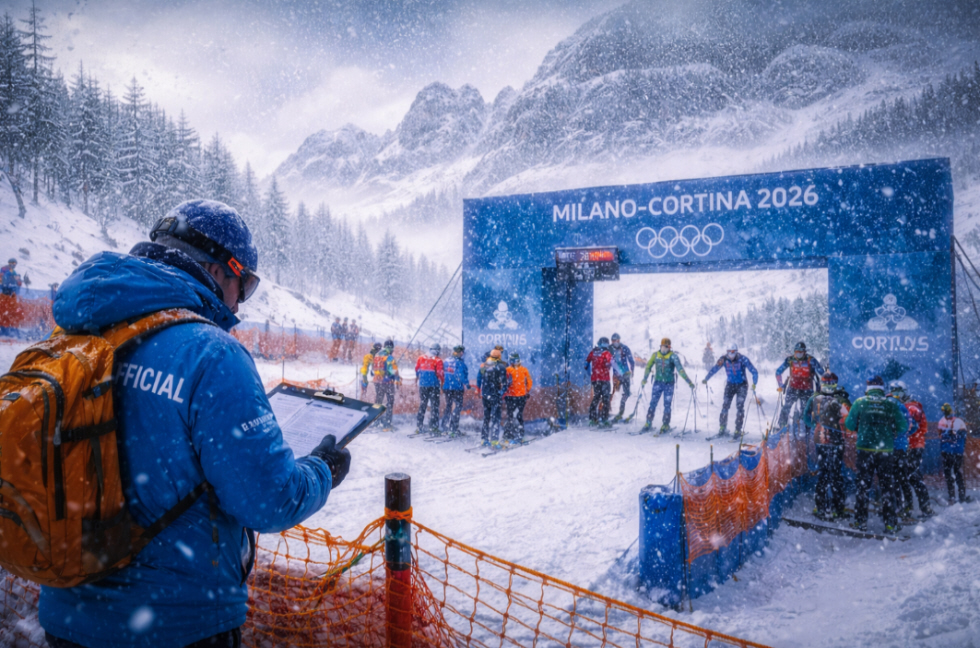
Technology is expected to play a defining role in the Milan–Cortina Winter Games, influencing how competitions are managed and how athletes perform across disciplines. From timing systems to safety monitoring, digital innovation will be deeply embedded in the event. Advanced timing and measurement tools will ensure greater precision in races where fractions of a second determine results. These systems are designed to enhance fairness and consistency across all competitive venues.
Athlete performance analysis is also evolving, with data-driven insights helping teams fine-tune preparation and strategy. Sensors, tracking tools, and analytics platforms are becoming standard components of elite winter sport. Broadcast technology will transform the viewing experience for global audiences. High-definition visuals, dynamic camera angles, and aerial coverage will bring spectators closer to the action across both alpine and urban settings.
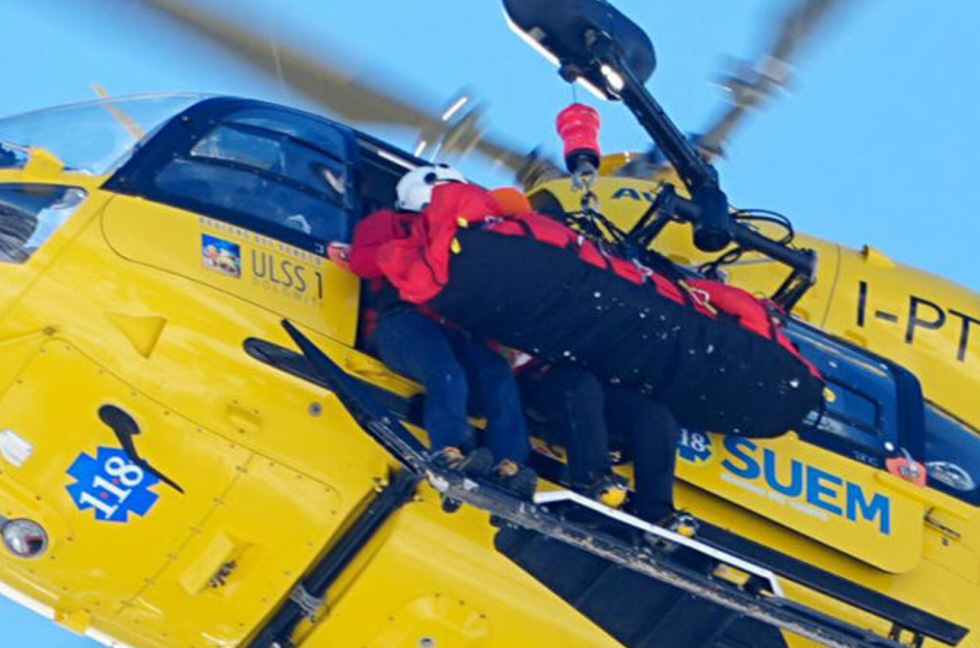
Safety remains a top priority, particularly in high-speed and technically demanding events. Enhanced monitoring systems will support faster decision-making and improved response in the event of incidents. Digital platforms are expected to expand fan engagement beyond traditional broadcasts. Real-time updates, interactive features, and multi-platform access will allow audiences to follow the Games in new ways.
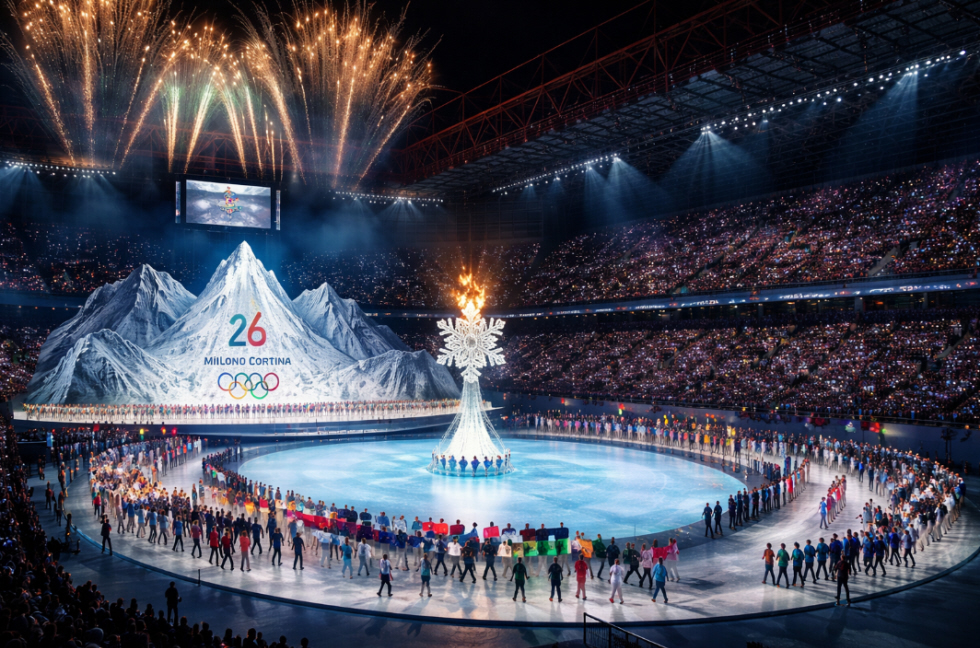
Organizers see technology as a tool to improve operational efficiency as well. Integrated systems will support logistics, scheduling, and coordination across the geographically dispersed venues. As the Games approach, technology stands as a quiet but critical force shaping Milan–Cortina. Its success may help define a new standard for future Winter Olympics.